

Exchange rates surge, then drop slightly… Yuan reaches 7,700 won
iStock/Somkhane Sawatdinak
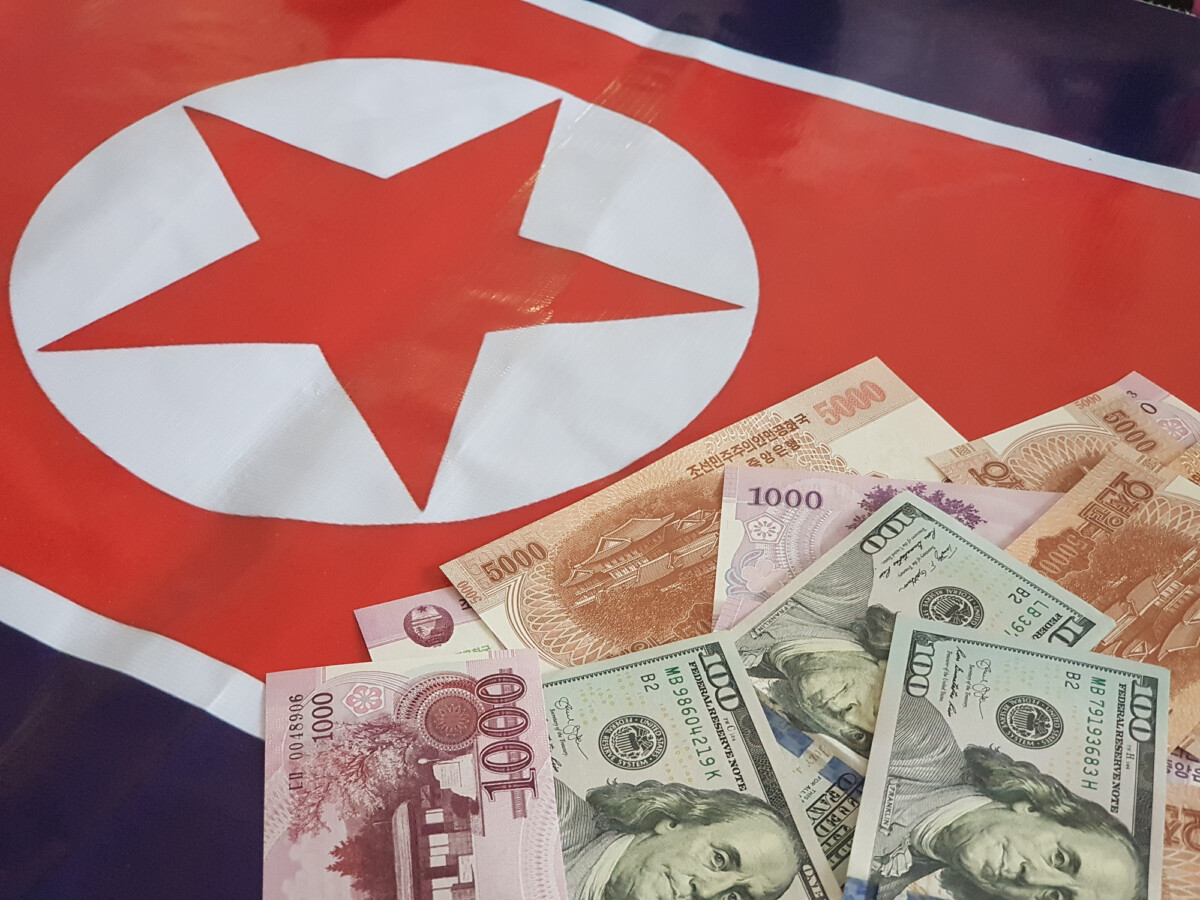
Exchange rates for the U.S. dollar and Chinese yuan in North Korea are showing unstable fluctuations.
Recent reports indicate that in border regions between North Korea and China, rates spiked to record highs before easing.
In Hyesan in Yanggang Province and in Hoeryong in North Hamgyong Province, the dollar rate doubled from around 30,000 won before Lunar New Year to over 60,000 won, before falling again. As of March 3, the greenback was at about 47,000 won in Hyesan and 43,000 won in Hoeryong.
The yuan showed a similar trend. In Hyesan, the rate jumped from around 5,000 won at the end of February to 7,700 won (a 54% increase), then fell to 6,500 won by March 3 (a 16% drop). In Hoeryong, the yuan rose to 7,500 won but dropped to 6,300 won (also a 16% decline) over the same period.
Thus, both currencies reached historic highs before retreating slightly. Analysts attribute this to the suspension of customs operations and state-led smuggling since December, which temporarily reduced demand for foreign currency.
During the Lunar New Year period, rumors spread that customs offices would remain open without holiday closures, driving up demand for foreign currency among residents trying to import goods, which in turn pushed exchange rates sharply higher.
Currently, with smuggling still halted, demand for foreign currency has weakened, leading to falling rates. However, if smuggling resumes, rates are expected to rise again.
“Goods ordered from North Korea since December have been stuck for over three months. These are mostly items subject to sanctions, such as cars, trucks, home appliances, and auto parts,” said a knowledgeable Chinese source.
“Since these goods were purchased with money from North Korea, the country is short of circulating foreign currency,” he said. “If customs reopens, demand for foreign currency will surge, and with limited supply, exchange rates will inevitably rise again.”

Han was born in 1989 in Taehongdan county, Ryanggang province, North Korea. She graduated from Hyesan Teacher's College in 2012, after which she worked as an elementary school teacher. She defected to South Korea in 2016 and works as a reporter at NK Times in Seoul.
Latest posts by Han Eun-su (see all)
- Teenager sent home from military service after becoming pregnant - May 11, 2026
- Exchange rates surge, then drop slightly… Yuan reaches 7,700 won - March 7, 2026
- Pressure on all citizens to supply fertilizer creates a clandestine trade - January 9, 2026