
Can technology safely connect North Koreans to the outside world?
In North Korea, information is not a public good to be managed. It is a threat to be contained.
By restricting access to the internet, foreign media, and outside communication, the dictatorship of Kim Jong-un isolates citizens from information that could challenge its propaganda, weaken ideological control, or expose the realities of life beyond its borders.
Against this backdrop, a small number of activists, defectors, and outside organizations have worked to pierce the information barrier, sending in outside media and exploring ways for North Koreans to communicate safely with the world.
As an Oslo Scholar interning with NK Insider through the Human Rights Foundation’s Oslo Scholars Program, I am especially interested in how technology can be leveraged by activists to circumvent authoritarian regimes. My paper grew out of that interest and investigates a difficult question: how can outside organizations support safer access to information and communication for people inside North Korea?
There is currently no fully safe technology for secure two-way communication with ordinary North Korean citizens. Every available channel—from broker-mediated Chinese cell phones near the China-North Korea border to satellite devices—carries serious risks for users inside the country. Chinese cell phones remain the most practically functional two-way communication tool today, but North Korea’s strengthened radio-wave surveillance and detection capabilities have made even this method increasingly dangerous.
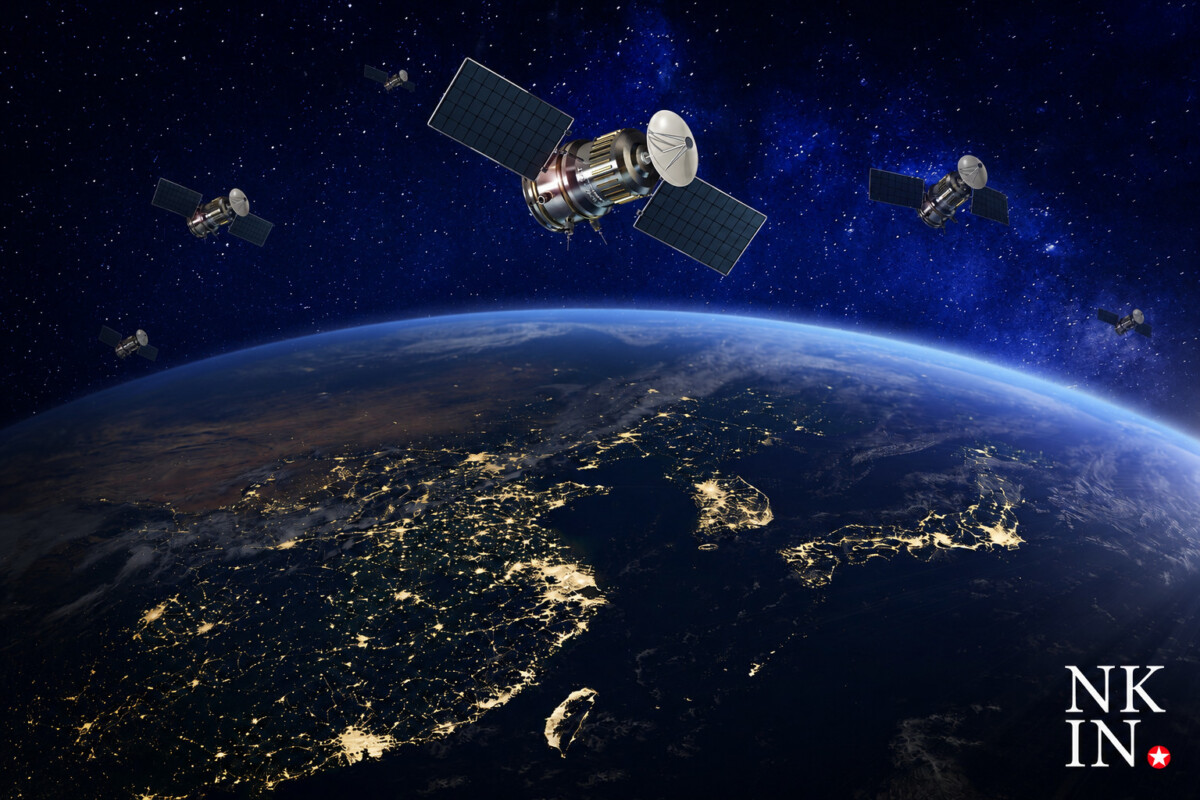
This does not mean there is no hope for two-way connection; my research examines future communication alternatives, including satellite messengers, satellite phones, and low-earth-orbit satellite internet systems such as Starlink. These technologies may be viable in the long-term, though they are not yet meaningfully deployable in North Korea because of legal, technical, and security barriers.
Rather than searching for a single “safe” solution, I argue for a layered, risk-aware approach: sustaining one-way information channels, such as radio broadcasts, USBs, and SD cards; limiting two-way communication to carefully managed networks with strong operational security and informed consent; investing in safer technologies, legal pathways, and digital security tools; and continuing research with defectors and technical experts.
This research was conducted using publicly available information, existing research papers, and the perspectives of recent North Korean defectors. Readers should keep these sources and their limitations in mind. The findings and views expressed are solely my own and do not represent the official position of the Human Rights Foundation or NK Insider.
Readers may follow me, Ahryanna McGuirk, on LinkedIn for updates on my work.
Read the full research paper in the attached PDF.

Ahryanna McGuirk is a Jefferson and Echols Scholar at the University of Virginia from Hawai’i. She studies Global Development and Economics with a focus on the intersection of human rights, education, and social enterprises. As a Democratic Futures Project Fellow, she conducts research on nonviolent activism in the Philippines, which led to the publication of Care at the Core: The Power of the People in the Grassroots. She also collaborates with the Burmese Democratic Futures Working Group to produce policy analyses and weekly conflict briefings on the Myanmar Civil War. Additionally, McGuirk works with the Democratic Futures Cryptocurrency Task Force, examining how digital currencies support financial freedom under repressive regimes. She aims to continue bridging grassroots advocacy and policy development to advance democratic resilience in vulnerable communities.
Latest posts by Ahryanna McGuirk (see all)
- Cryptocurrency can help North Korean defectors save their families - August 4, 2026
- Can technology safely connect North Koreans to the outside world? - July 19, 2026