
What Venezuela taught me about North Korea
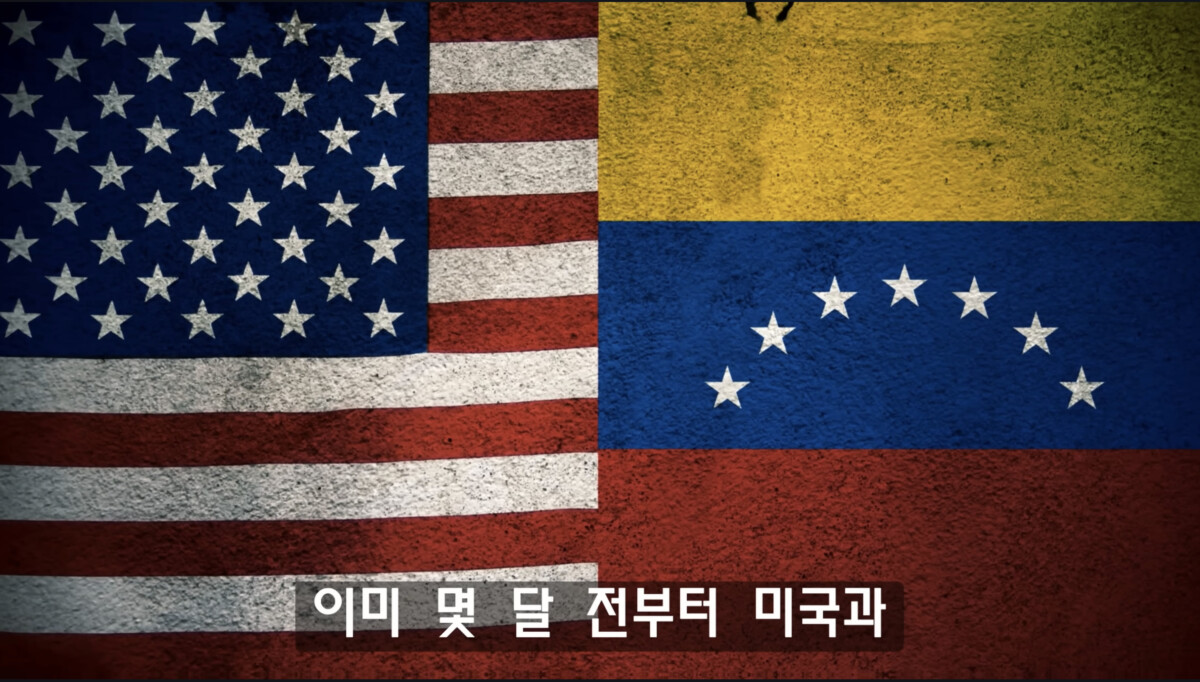
Still image © Getty Image, licensed via PowerDirector 365
When U.S. President Donald J. Trump ordered the military strike against Venezuela and the arrest of its president, Nicolas Maduro, and his wife, he acted after a long investigation and months of rising tensions between the two countries.
The U.S. administration had been pushing hard on anti-drug policies, and recently even deployed troops to conduct anti-drug operations in the Caribbean. President Trump kept insisting that massive amounts of drugs were flowing into the U.S. through Venezuela. Not long ago, he even publicly warned President Maduro that if the illegal trade continued, the U.S. would attack. Then he followed through.
Watching this news, I honestly felt that while South Korea seems peaceful, the world is experiencing major upheavals.
But what struck me even more was this question: how are dictators like Kim Jong-un in North Korea viewing these events?
I ask because Maduro displayed almost every trait we associate with a dictatorship: disputed elections, suppression of independent media, violent crackdowns on peaceful protesters, nationalization of key industries, and rallying the system around anti-American sentiment.
These features aren’t unique to Venezuela. They’re common in many authoritarian and dictatorial societies.
So, for me, this incident highlighted just how unstable dictatorships really are. North Korea is no different. The first thought that came to my mind was: if this happened in North Korea, would the people even know about it?
Having lived in North Korea, I can’t help but compare international news like this with both the society I live in now and the one I left behind. In democratic societies like South Korea or the U.S., news is reported immediately. Some people support it, others oppose it, some protest in the streets. But, regardless, people know what’s happening and can express their opinions.
In North Korea, it’s completely different. Whether it’s war, military action, or diplomatic changes, ordinary citizens aren’t in a position to choose to know. Decisions are made at the top, and people only hear about them later—if at all—and always in a distorted form.
If such an event were to happen in North Korea, the authorities would likely hide it from the people out of fear they would rebel. News there isn’t meant to inform. It’s a channel of coercion.
That’s why Venezuela and North Korea feel connected. They’re not identical, but they share many similarities: a ruling leader, economic difficulties, a system that stresses external enemies to maintain internal unity, and citizens suffering under dictatorship.
The key difference is that in Venezuela, outside information still gets in. Even in limited conditions, people use the internet, protest, raise dissenting voices, read foreign news, and consider alternatives. In North Korea, that’s nearly impossible. North Koreans have no way of knowing in real time what decisions the U.S. makes or how the world views their country.
What struck me most from the Venezuela news was this: war is terrifying, but living completely unaware is even more frightening. Here, we can watch a video and ask, “Is this real? Is it exaggerated?” We can question and verify. In North Korea, even asking “why” is dangerous. It’s a society where the question itself is forbidden.
People often ask me: will such a day ever come for North Korea? Will it ever change? Personally, I believe change doesn’t come only through bombs or military operations. The most powerful force isn’t guns or missiles. It’s information. The moment people trapped in North Korea realize, “The world we know isn’t everything,” change has already begun.
That’s exactly what the regime fears most. That’s why they block radios, crack down on USB drives, panic over a single drama episode, and carry out public punishments. When I first left North Korea and freely watched the news, saw broadcasts criticizing the government, and even people insulting the president without being arrested, I was stunned. I kept thinking, “Wait, they insult the president and nothing happens? Are they really okay?”
So even while talking about Venezuela, I keep thinking of North Koreans. Right now, they don’t even know this news exists. That’s the most heartbreaking reality.

Kim Yumi, a North Korean defector, was born and raised in Haeju, South Hwanghae Province, a coastal military area. Growing up near a naval base, she was able to secretly watch South Korean news programs and TV shows, thereby uncovering the vibrant, democratic society of South Korea. Yumi and her husband made the brave decision to escape North Korea and seek a better future. Now in Seoul, she is actively involved in raising awareness about the realities of life in North Korea, especially on her YouTube channel, “@KimYumiTV.”
Latest posts by Kim Yumi (see all)
- Why North Koreans are unable to understand South Korea - April 7, 2026
- Rising oil prices send ordinary North Koreans into survival mode - March 30, 2026
- Is Kim Ju-ae being groomed for a support role? - March 17, 2026