

North Korea isn’t building the next ChatGPT. It’s building something else.
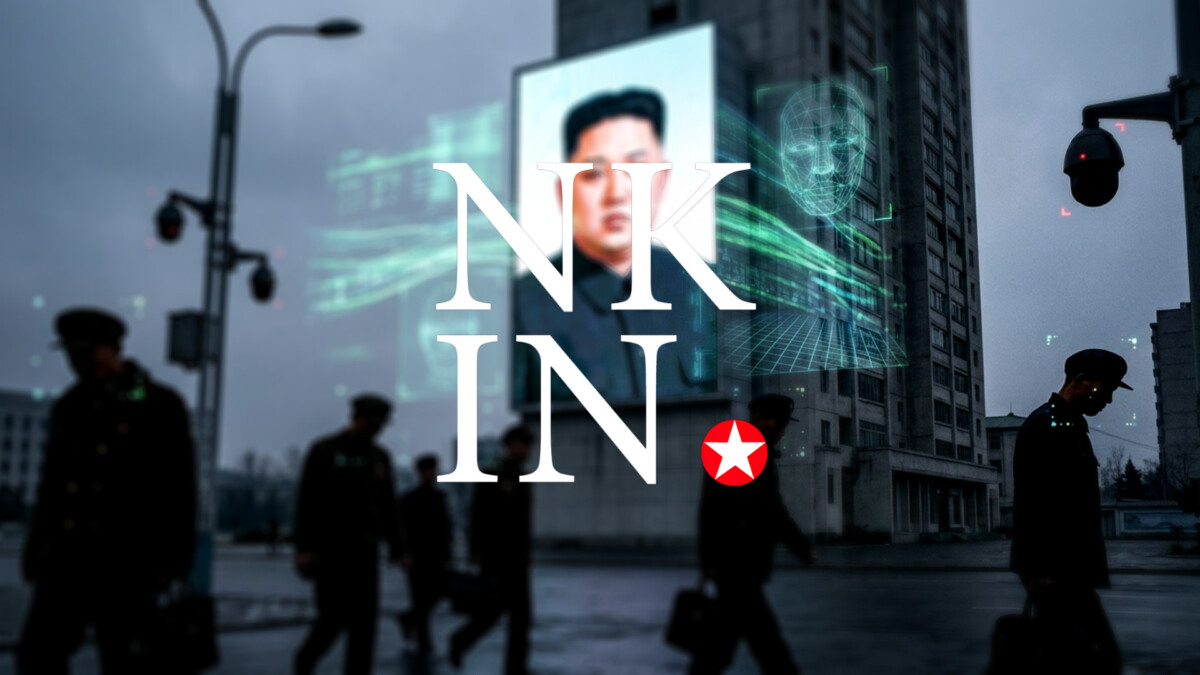
A picture depicting AI surveillance in North Korea
When people hear that North Korea is investing in AI, they often imagine a familiar race to build the next ChatGPT, the next breakthrough AI model, or perhaps a homegrown version of Silicon Valley’s latest innovation.
But that does not appear to be what Pyongyang has in mind.
Instead, North Korea seems to view AI less as a consumer technology revolution and more as a strategic tool for national development.
A closer look at recent rhetoric helps explain this perspective. Over the past few weeks, official speeches and articles in state-run newspapers have repeatedly returned to the topic of AI, signaling that it occupies an increasingly prominent place in the leadership’s vision for the future.
On June 5, the Rodong Sinmun described cutting-edge technology as a “key driver of national development” and highlighted the strategic importance of AI. The newspaper noted that AI was “once considered little more than a dream of the future” but had “developed with surprising speed over the past several years.”
The paper reinforced this message by citing comments previously made by leader Kim Jong-un, who stressed that “both the country’s present and future development would be shaped by advances in science and technology.” It called on researchers and engineers to accelerate innovation in high-tech sectors and portrayed AI as an increasingly important asset for achieving long-term national goals.
Yet North Korea’s interest in AI appears to be driven by priorities that differ from those seen in many other countries. Rather than focusing primarily on consumer applications or commercial innovation, officials tend to frame the technology in terms of national development and state objectives.
Whereas many governments emphasize AI’s potential to raise productivity, boost economic growth and improve everyday life, Pyongyang generally presents it as a strategic asset capable of strengthening national capabilities and reinforcing state authority.
This framing is reflected in the language used by state media. Official outlets have repeatedly called on scientists and engineers to devote themselves to technological development, portraying scientific progress as a patriotic duty tied to the country’s future.
The rationale appears clear: the technology is viewed as a means of strengthening state control, automating key systems and enhancing regime stability.
Rather than emphasizing competition, Pyongyang stresses the importance of collective effort, calling on research institutes, universities and factories to work together within a coordinated national framework.
North Korea’s AI ambitions therefore appear less focused on creating a Silicon Valley-style innovation ecosystem than on building a tightly managed, state-directed digital economy.

Yoonseo Im is a Seoul-based trilingual journalist and researcher. Growing up in three different countries has shaped her international perspective on the Korean Peninsula. She is a Ph.D. candidate in International Studies and holds prior degrees in Political Science and International Relations. She is also active in multiple research organizations focused on regional issues, including North Korean affairs. Her work explores the intersection of economics, industry, politics, and security in Korea and the broader region, combining academic expertise with reporting experience gained through field journalism. Contact: [email protected]
Latest posts by Yoonseo Im (see all)
- North Korea isn’t building the next ChatGPT. It’s building something else. - June 14, 2026
- May Day and the unheard cry beneath the propaganda - May 13, 2026
- North Korea’s new cybercriminals - April 15, 2026