

New system for distribution grain to farmers based on performance, Not everyone is happy
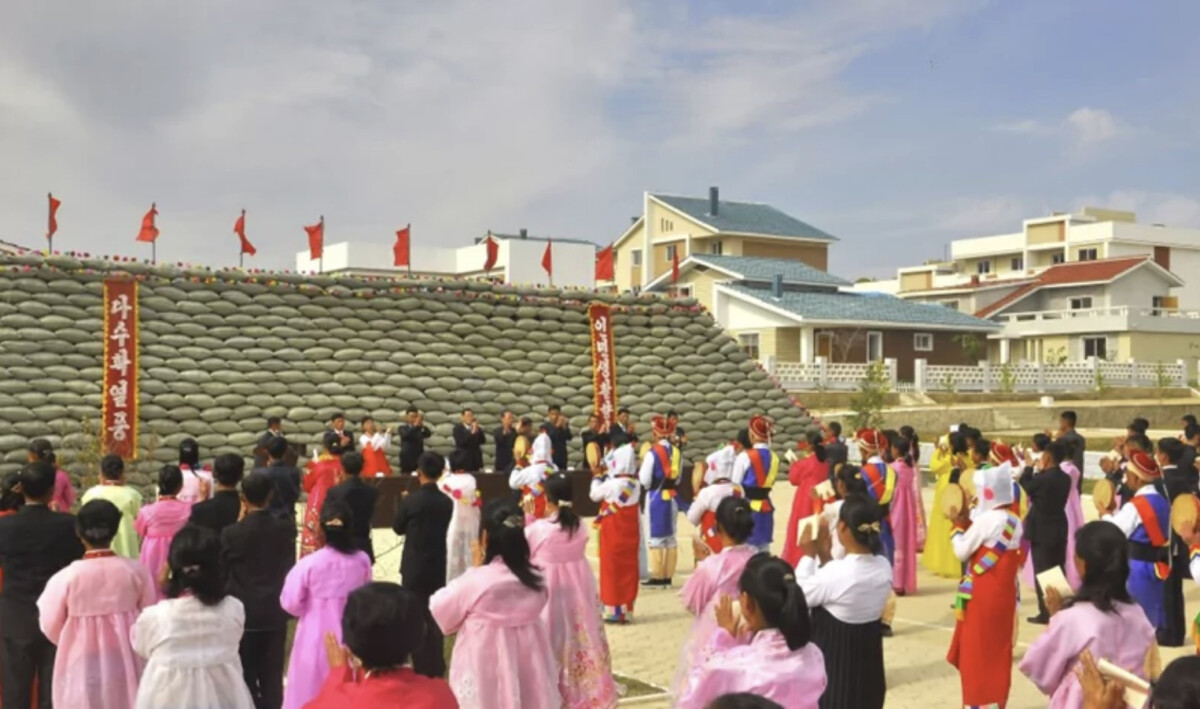
Grain distribution in Hwanghae Province (Image: KCNA)
North Korea has changed its method of grain distribution in collective farms, but the new system that began this fall is already causing problems.
The change followed the adoption of a Farm Settlement Distribution Law by the legislative Standing Committee of the Supreme People’s Assembly in August.
The new law has revised how labor is evaluated and grain is accordingly distributed. Its purpose is strengthening the material and technical foundations of farms and boosting morale and production. However, reports suggest that significant side effects have also emerged.
According to one source in North Hwanghae Province, the new system of distributing grain based on performance started already with the fall harvest. Under the law, farmers with higher productivity received increased grain allocations. Those with weaker results received less.
Distribution was determined by the number of labor days and the yield per unit area. Farmers with outstanding performance reportedly received 30 percent more grain than they did last year, while those who failed to meet the standard were supposed to receive amounts similar to last year.
In practice, though, things aren’t quite so clear. For example, Work Team No. 2 in Wollyang-ri, a village in Goksan county in the province, around ten of the 40 farmers received 30 percent more grain than last year. But the others were actually given less than they got in 2024.
Reaction has predictably been mixed. While some farmers responded positively, others expressed concern.
“Those who received less will soon face serious food shortages,” the source said. “In the farms in Goksan county, some workers, groups, and individuals were classified as high-yield contributors, and distribution was differentiated accordingly. Going forward, though, disparities among individual farmers based on their health or economic conditions are likely to deepen.”
“In most farms in our province, distribution was completed by the end of November. However, in some farms, threshing has been delayed due to power shortages and machinery breakdowns, which has postponed the process,” he said.

Han was born in 1989 in Taehongdan county, Ryanggang province, North Korea. She graduated from Hyesan Teacher's College in 2012, after which she worked as an elementary school teacher. She defected to South Korea in 2016 and works as a reporter at NK Times in Seoul.
Latest posts by Han Eun-su (see all)