
Fate of two POWs held in Ukraine hands in the balance
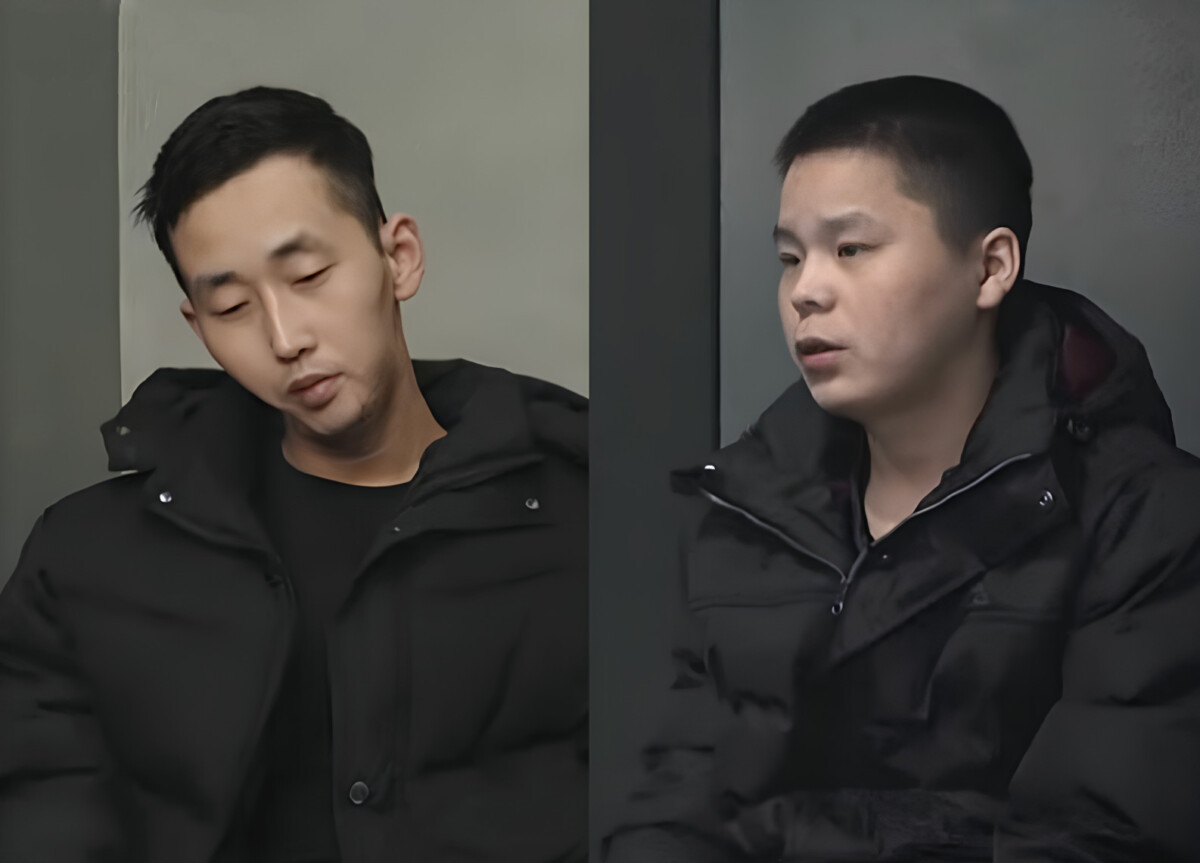
Two North Korean military POWs whose recent status was revealed on PD Notebook. ©MBC
These two North Korean POWs in Ukrainian custody face a danger that is not theoretical. It is an escalating reality.
Russia has already attempted to place them on a prisoner‑exchange list, raising the real possibility that they could be handed over and then dispatched to Pyongyang, where they would likely face execution or long prison terms for having surrendered on the battlefield.
South Korean lawmaker Yoo Yong‑won traveled to Ukraine and confirmed firsthand that this is a very real possibility.
Ukrainian authorities have also acknowledged the political complexity of the case. In 2023, Ukraine’s human rights ombudsman, Dmytro Lubinets, stated publicly that if the POWs wished to go to South Korea, the matter would require discussion “at the level of the leaders of both countries.” That remark signaled that the fate of these two young men could become entangled in high‑level political bargaining.
There is also the possibility of tension between the two countries’ interests. Ukraine has repeatedly requested lethal weapons and other forms of advanced military support from South Korea. If Kyiv were to link the POWs’ transfer to such requests, it would raise serious concerns about the use of human lives as leverage in wartime negotiations.
South Korea has taken initial steps. Foreign Minister Cho Hyun told the National Assembly that Ukraine has pledged not to send the POWs to Russia or North Korea.
Despite these assurances, concern is growing among lawmakers, civil society, and human‑rights advocates.
They are urging the government to act more proactively to secure the safety of the two men. Diplomatic statements alone may not be enough when their lives hang in the balance.
In an issue of this nature, South Korea carries a unique legal and moral responsibility. Under the country’s Constitution, North Koreans are citizens of South Korea. Far from being symbolic, this clause imposes a real obligation on the government to protect them. Failing to act decisively would contradict both constitutional principles and the values South Korea claims to uphold.
The willingness of the prisoners to seek refuge in South Korea is a stark reminder that, even under the most repressive conditions, North Koreans can still recognize the difference between two fundamentally different systems. Preventing their forced return is not only a humanitarian duty. It is a message to millions in the North that their lives and choices matter.
For the international community, this case exposes a broader responsibility. When authoritarian regimes attempt to erase human dignity, democratic nations must decide whether their principles are merely words or commitments worth defending.
The fate of these two young men will reveal how firmly South Korea and the world intend to uphold universal human rights when they are most at risk.

Kim Yumi, a North Korean defector, was born and raised in Haeju, South Hwanghae Province, a coastal military area. Growing up near a naval base, she was able to secretly watch South Korean news programs and TV shows, thereby uncovering the vibrant, democratic society of South Korea. Yumi and her husband made the brave decision to escape North Korea and seek a better future. Now in Seoul, she is actively involved in raising awareness about the realities of life in North Korea, especially on her YouTube channel, “@KimYumiTV.”
Latest posts by Kim Yumi (see all)
- Is Kim Ju-ae being groomed for a support role? - March 17, 2026
- Fate of two POWs held in Ukraine hands in the balance - March 6, 2026
- Can ordinary joy awaken the people of North Korea? - February 19, 2026