

The illusion of a photo with Kim Jong-un: The tears behind North Korea’s military parades
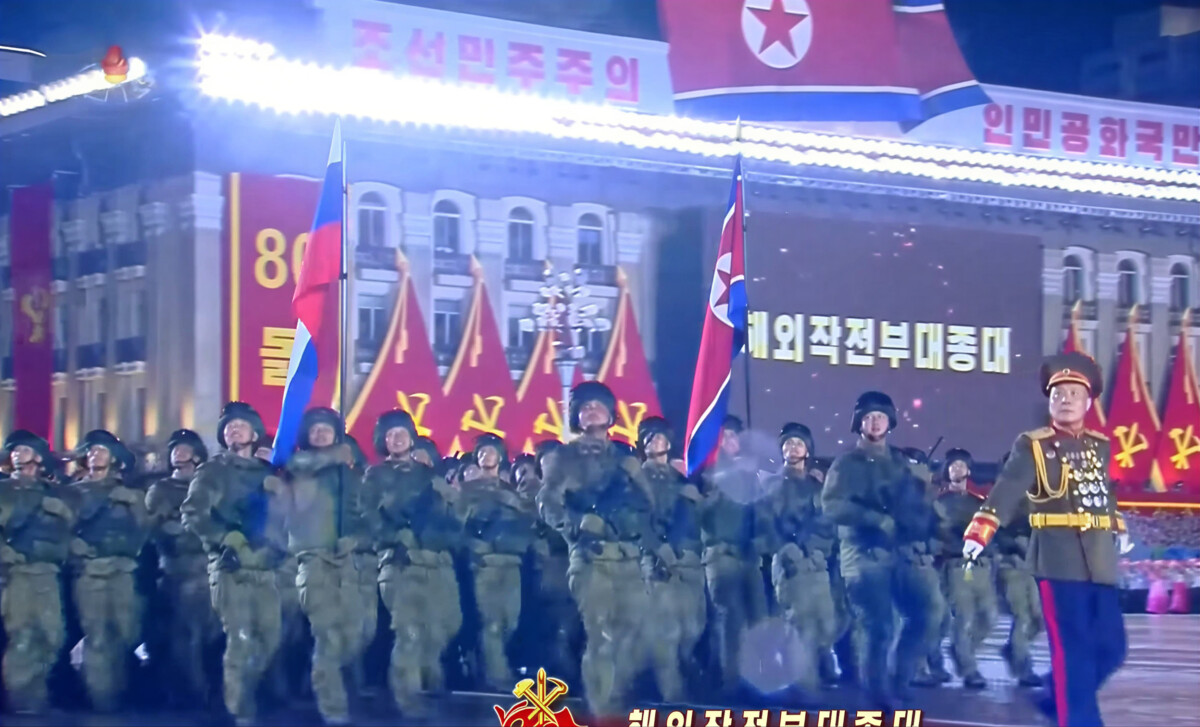
Pyongyang’s military parades are portrayed by global media as dazzling displays of power. The world is familiar with the images of thousands of soldiers goose-stepping in perfect formation, the unveiling of the latest weapons, and massive military bands resounding with solemn music.
Yet behind this grand stage lies another reality, that of shattered dignity. The soldiers who participate are starving. They have had to endure brutal training, and must maintain formation even as they suffer from nosebleeds brought on by exhaustion.
At the end of all this, what they long for is not simply the conclusion of the event. It is the possibility of a commemorative photo with Kim Jong-un. Such a photo will be treasured like a family heirloom and deeply influence each soldier’s future. A single photo can elevate social status and bring honor to the family, so the troops risk their lives for that moment.
However, in reality, commemorative photos are extremely limited, and most soldiers experience bitter disappointment when they fail to obtain one.
The younger, so-called MZ generation is increasingly aware from illicit exposure to outside information and culture that their society is abnormal. South Korean dramas and foreign news open new perspectives, making the injustices of the closed system even clearer. Yet reality is harsh. Even if they know the system is wrong, survival requires compliance with its rules.
So why do soldiers still long for the commemorative photo with the source of oppression? Rebellion may take root in their hearts, but they cannot act on it. Resisting the system is incredibly dangerous. The fear that even their families could be put at risk ultimately forces soldiers into submission.
In the end, the photo becomes both a prerequisite for survival and an ironic symbol of the shackles that hold the victims down.
One of my classmates participated in the parade four times. Her family had to bear the cost of training. She endured harsh winter drills and experienced constant hunger and fatigue. She once called her parents, pleading for help. For parents who had already given their beloved child to the nation, the fact that she was starving even during national service was unbearable. They scraped together money day and night, sending it with the plea, “At least don’t starve.”
This immense burden imposed by the military parade on families is a consequence of the failure of the state to provide even basic meals for its troops as it pours vast resources into propaganda events.
Each time, my classmate hoped, “Maybe this time I’ll get the photo.”
But each time Kim disappeared immediately after the event, leaving soldiers to disperse in disappointment. My friend was eventually discharged without ever obtaining a commemorative photo. Worse still, repeated high-intensity training and malnutrition destroyed her health. She developed a serious illness that made pregnancy impossible.
This case is not just one individual’s misfortune. It is the story of countless soldiers. The parade is exploited as a propaganda tool, while soldiers’ lives and health are utterly disregarded. Starving from insufficient rations, some collapse during training, and those injured or ill are left untreated. Yet soldiers cling to the faint hope of a commemorative photo and continue their grueling drills.

Daenam’s journey began in North Korea, where he was employed at a state-run company serving the nation’s elite. Seeking freedom, he defected and now continues his life as a college student, building a new future.
Latest posts by Kim Daenam (see all)