

Can Chanel bags spark a revolution?
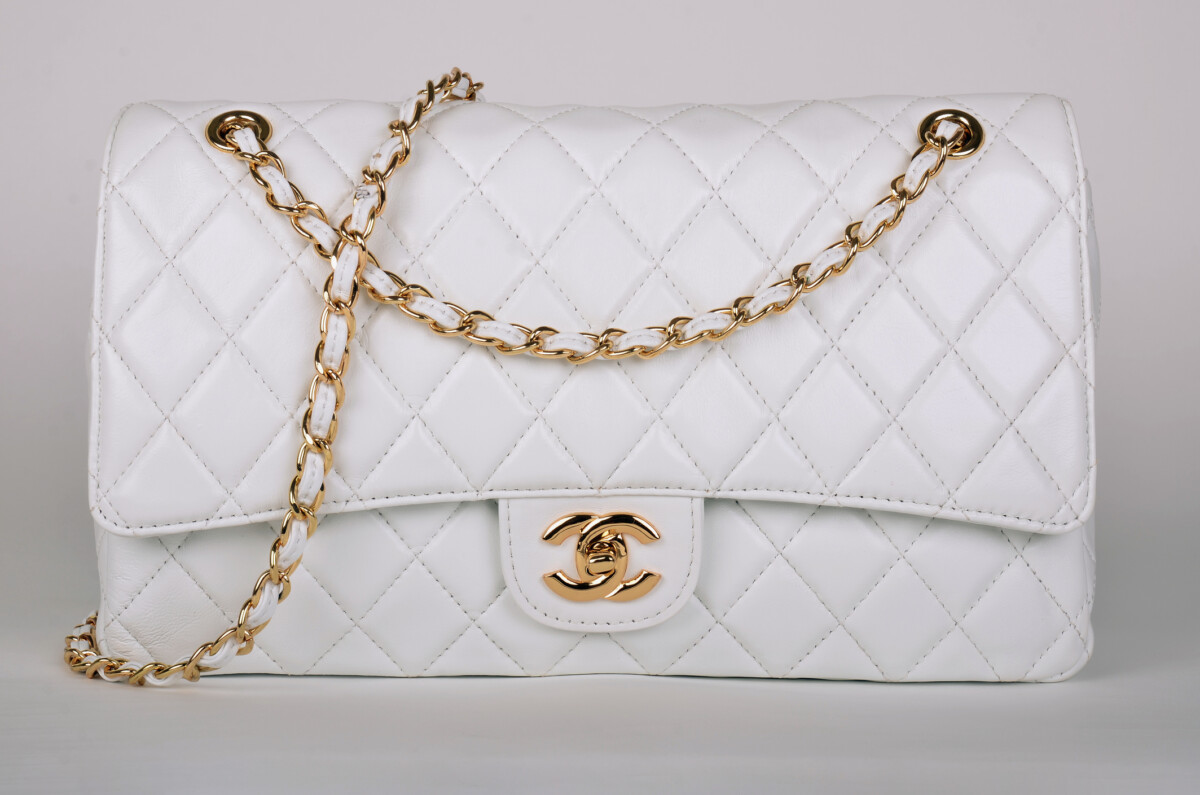
iStock/IZorina
For those who have fled North Korea in search of freedom and arrived in the South, certain questions always follow. For example, how can we change the regime? How can we improve the human rights of the people?
The answers vary, but they are always weighty. Some argue that strong pressure must be applied to hasten collapse, while others insist that new ideas must be injected to enlighten the people.
Examples include sending leaflets across the border or smuggling in books and videos that expose the corruption of the regime.
These are valid points, but putting them into practice requires enormous effort and sacrifice. Moreover, the regime will mobilize all its power to suppress such attempts, and the cost will be borne by those still living inside North Korea. History has already shown this.
So then, what can we actually do to effect change?
Before discussing this, we must recognize that the downfall of the regime through external force is not only difficult but undesirable. Of course, propaganda could encourage people to escape to South Korea. When only a few cross the border, it poses no problem. But what if 25 million come over? South Korean society could never absorb them all.
From a military perspective, fighting a regime armed with nuclear weapons risks causing more harm than benefit. Even if victorious, the destruction caused by war would be far greater for the capitalist side that enjoys prosperity. North Korea, stuck at a feudal level of development, would lose little.
Considering this, the most desirable way to change the regime is for the people themselves to awaken and transform their society. But how can this be done effectively, without provoking resentment or danger?
The answer: send in Chanel bags.
I vividly remember why I came to South Korea. Was it to seek freedom? To escape oppression? Those reasons played a part, but what truly motivated me was material abundance. I wanted to eat tastier food, wear prettier clothes, and live in a beautiful house—things unavailable in North Korea. My father traded with Japan, so I had glimpses of better things growing up. If North Koreans could also see and experience such advantages, it would open their eyes.
North Koreans have long suffered from a lack of options. With only one choice available, they cannot imagine alternatives. I recall my confusion when I first went into a coffee shop in South Korea. Faced with countless menu items, I was paralyzed. Should I add a shot? Syrup? Cinnamon? Hot or iced? What size? I even wondered if my intelligence had declined.
This experience was not unique to me. Many defectors, upon entering a café or restaurant for the first time, simply say: “Just give me anything.” In other words, they don’t know what they like. Why? Because we grew up without alternatives.
Poverty and totalitarianism created this problem. Poverty forced us to worry not about what we wanted to eat, but whether we could eat at all. Totalitarianism killed our preferences and individuality. The instinct to stand out or excel was crushed. To survive, people hid their tastes until they disappeared altogether. Eventually, everyone became like robots—beings without likes or dislikes. Perhaps “colorless and odorless” best describes the North Korean human condition.
We must show them that alternatives exist. Chanel bags and other luxury goods should be introduced so that people can experience their quality and the satisfaction of using them. Give them the chance to choose.
Once a woman has carried a Chanel bag, would she ever want to use the crude “8.3 People’s Consumer Goods” again? She would realize how backward the regime’s “our-style supremacy” really is. Once refined taste is acquired, it is never lost.
The more choices people have, the more they will reflect and consider. This will not stop at material goods—it will extend to politics. Until now, North Koreans have had no basis for comparison and have never seriously contemplated capitalism. But once they realize alternatives exist, they will begin to question socialism itself. Why can’t we live like that? What is preventing us?
Of course, having many choices is not always pleasant. Sometimes I am annoyed by the abundance of clothes when deciding what to wear, or overwhelmed by the variety of coffee options. My brain, reacting to so many brands, may not be entirely healthy.
Yet I would rather be irritated by too many choices than feel powerless with none.
As someone once said: socialism abolished freedom entirely in order to eliminate the small inequalities of capitalism.
Perhaps what can truly change North Korea is not propaganda about the regime’s irrationality, but a high-quality, story-rich Chanel bag.

Born in Chongjin in 1990, Jang Mi was not a studious child, but under her mother’s influence, she graduated from high school and went on to university to take math and science. She worked as a wedding video editor for seven years until her defection in 2019.
Latest posts by Jang Mi (see all)
- The value of a being a Party member - March 4, 2026
- The value of a being a Party member - March 2, 2026
- North Korea: How much longer will their hollow dynasty last? - February 6, 2026