

What does the attack on Iran mean for North Korea?
Missiles have been crisscrossing Middle Eastern skies in early March, as the American and Israeli war on Iran enters its second week.
The immediate backdrop to the fighting was a breakdown in talks, after a third round of meetings in Geneva between American and Iranian officials, mediated by Oman, ended on February 26 without a resolution.
At the center of the impasse was uranium enrichment. The Trump administration’s position has been “zero enrichment,” a demand that Iran give up any enrichment capability.
Iranian officials said they could not accept that demand. Abbas Araghchi, Iran’s foreign minister, framed enrichment for peaceful purposes as an “inalienable right” that Iran would not relinquish.
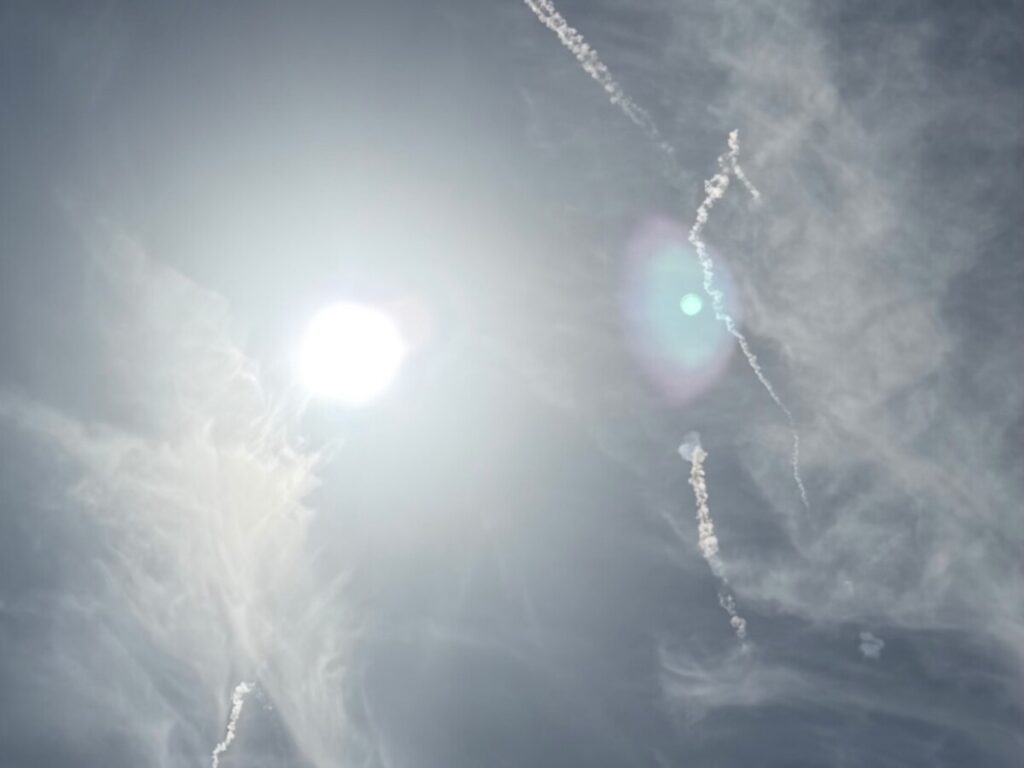
A day later, President Trump authorized Operation Epic Fury, and American forces began striking targets in Iran on Feb. 28.
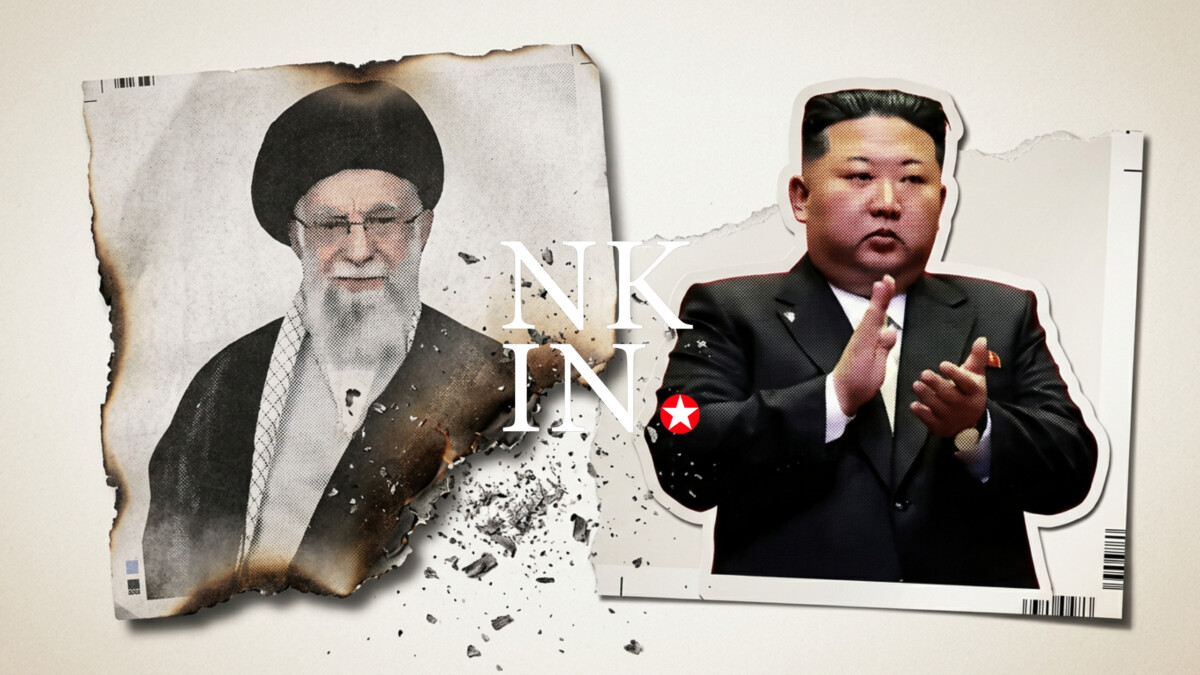
As the war unfolded, another tableau was taking shape far from the Gulf. in Pyongyang, Kim Jong-un, North Korea’s leader, said he would focus on expanding his country’s nuclear arsenal.
“What is of the most important and strategic significance is that the DPRK’s position as a nuclear weapons state has been consolidated to be irreversible and permanent,” state-run KCNA quoted him saying.
One side of the region was watching nuclear-related sites come under attack, another was pledging to further fortify them. History, at times, can read like a grim joke.
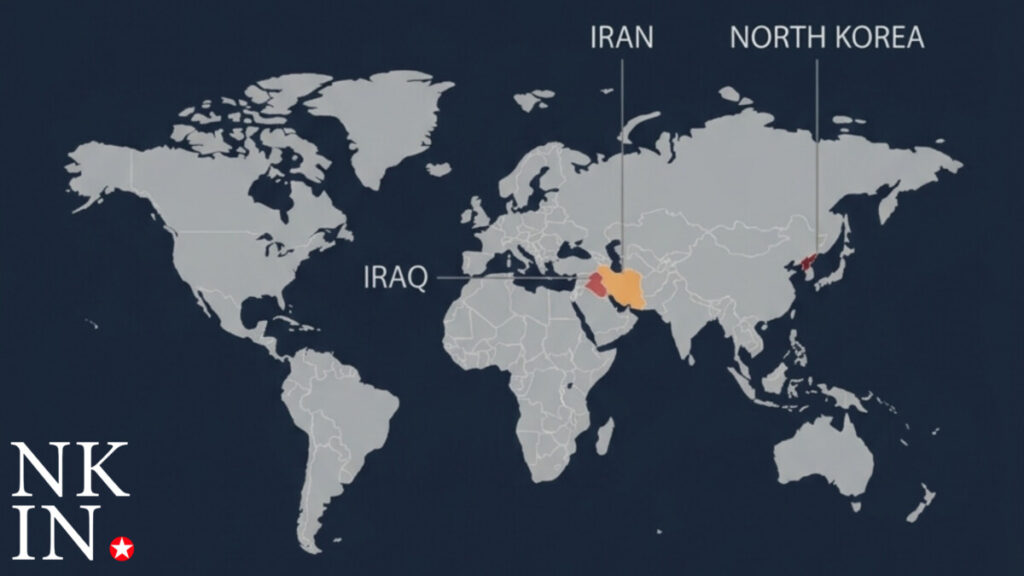
In 2002, then-U.S. President George W. Bush bundled Iraq, Iran and North Korea together in his first State of the Union address, calling them an “axis of evil” that threatened global peace.
At the time, the three countries were grouped in Washington’s view as states pursuing weapons of mass destruction and supporting terrorism. But 24 years later, their trajectories have sharply diverged.
The first to collide directly with Western power was Iraq. In March 2003, the United States invaded, arguing that Saddam Hussein’s government possessed weapons of mass destruction and was pursuing nuclear arms. Then-Secretary of State Colin Powell presented intelligence to the United Nations in an effort to build international backing.
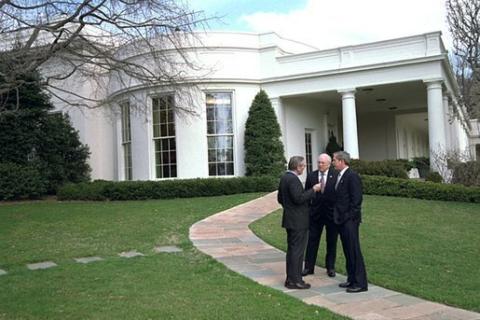
But the American-led hunt for illicit weapons ultimately produced a different conclusion. In October 2004, the Iraq Survey Group report, led by Charles A. Duelfer, said Iraq had essentially destroyed its illicit weapons capability in the months after the 1991 Gulf War, and that by the time of the 2003 invasion it had not possessed military-scale stockpiles of banned weapons for years.
The question that lingers is what message Iraq’s fate sent to the other two countries once branded alongside it — Iran and North Korea — and how each drew its own conclusions from the same history.

Yoonseo Im is a Seoul-based trilingual journalist and researcher. Growing up in three different countries has shaped her international perspective on the Korean Peninsula. She is a Ph.D. candidate in International Studies and holds prior degrees in Political Science and International Relations. She is also active in multiple research organizations focused on regional issues, including North Korean affairs. Her work explores the intersection of economics, industry, politics, and security in Korea and the broader region, combining academic expertise with reporting experience gained through field journalism. Contact: yxn.contact@gmail.com
Latest posts by Yoonseo Im (see all)
- What does the attack on Iran mean for North Korea? - March 10, 2026
- How to explain the appearance of EVs on Pyongyang streets? - February 7, 2026
- 2026: In a world hungrier than ever for electricity, nuclear-armed North Korea is unable to power daily life - January 29, 2026